Tamarind is a large seed pod grown and used in the cuisine of almost every equatorial country. Its pulp is processed into a dark brown paste, which is used as you might tomato paste, concentrated stock, or, for that matter, ketchup—as a simple flavor enhancer that completely changes the nature of the sauce into which it is stirred. You can make your own paste (page 585) or buy the paste now sold in bottles at many Asian stores. (There is also a kind of instant tamarind powder, which is not very good.) The bottled paste is concentrated to increase its strength, so if you use homemade tamarind paste, double the quantity (or add to taste). As for this recipe, you can use the same process to make almost anything in a tamarind sauce, but shrimp, because it requires minimal cooking time, is by far the easiest. I like to brown the shrimp first for a little more flavor, but you could actually start this recipe with the second step and add the shrimp after the onion. The dish is best when quite sour and not—as happens at too many restaurants—a sticky combination of sweet and sour.
The finished stew should be decidedly sour, tamarind’s calling card, but you’re in control of how puckery things get. You can sub other vegetables or simplify the array, but be very careful not to overcook them. This recipe is from Bad Saint, one of the Hot 10, America's Best New Restaurants 2016.
While it is not uncommon to find ginger blended into limeades, lemonades, and fresh sugarcane juice in India, it also pairs nicely with tamarind. Serve cold and give it a good stir before drinking.
This recipe is made with tamarind pulp, which contains large seeds that you will need to remove. Avoid the temptation to use concentrates. They’re more convenient because they don’t have seeds, but they don’t taste nearly as fresh.
The unusually tart flavor and slightly thick texture of this sauce is great with a simple grilled fish or boiled green vegetable. It is easy to make when you have frozen cubes of tamarind liquid on hand, and can be prepared hours in advance of the meal and left at room temperature.
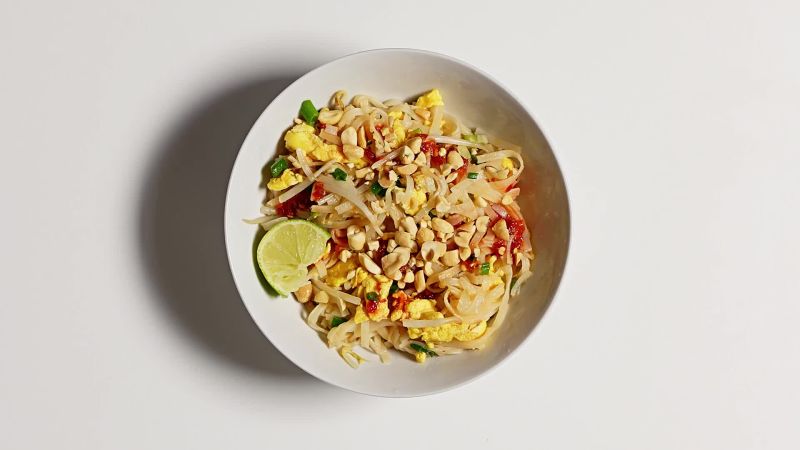
We're all about taking shortcuts when it comes to weeknight cooking, but there's no way around using tamarind in pad Thai. The dish is simply a shadow of its former self without it, so look for tamarind paste or concentrate at Asian markets. Once you've got the base down, though, Pad Thai is a great way to use up leftover protein like cooked shrimp or shredded rotisserie chicken (hint: just toss them in with the noodles).
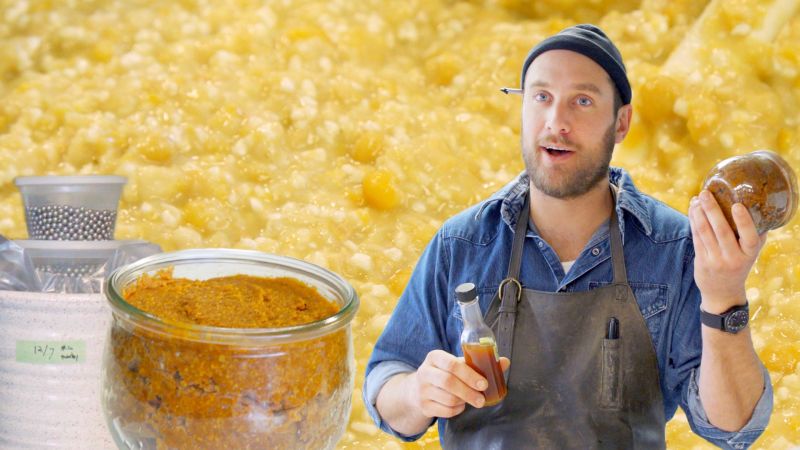
Bon Appétit’s Brad Leone is back for episode 68 of It’s Alive, aka “It’s Alive: Home Video Edition, Tape 1”. You’re invited to join him in his home kitchen to make fermented garlic ginger paste! Tune in for: garlic, ginger, dogs, kids, mathematics, flying pickles, and a special arts and crafts presentation by the one and only Sohla El-Waylly. At some point they may even cover how to make the paste!
Follow Brad on Instagram: @bradleone
Bon Appétit Test Kitchen Manager Brad Leone is back for episode 35 of “It’s Alive” and this time he’s making the highly requested miso. Join Brad as he ages a red miso, advocates for blade safety, and forgets why he went to the walk-in.
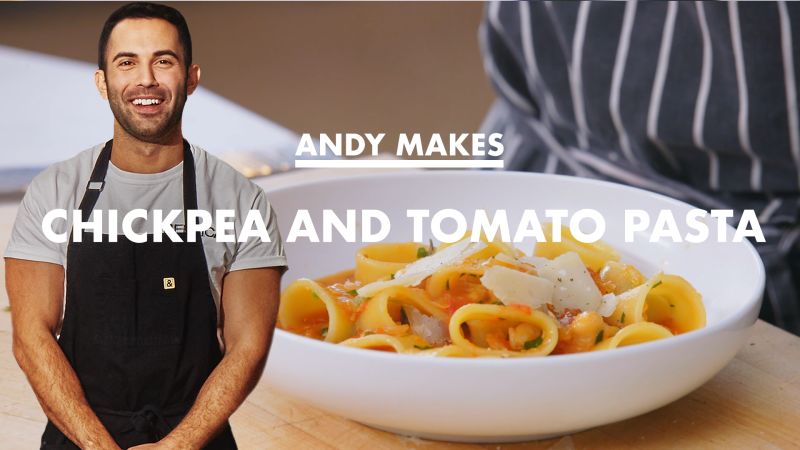
Join Andy Baraghani in the Bon Appétit Test Kitchen as he makes pasta with tomatoes and chickpeas. If you don't have a can of tomatoes, tomato paste will work just fine. Cook a couple of tablespoons in a small skillet alongside the chickpeas until it darkens before adding to the chickpeas and proceeding with the recipe.
Check out the recipe here: https://light-body.today/recipe/brothy-pasta-with-chickpeas%3C/div%3E%3C/div%3E%3C/div%3E%3C/div%3E%3C/div%3E%3C/div%3E%3C/div%3E%3Cdiv class="StackedRatingsCardWrapper-RIFgn jsPKbl SummaryCollectionGridSummaryItem-ilztYA cpHIzM search_result_item-6abbe27a075ea6d8f99844e9">