Search results for
tips how to grill
Filter Results
Sort By:
Recipes
(127)

icon
techniques

Easy
Recipes
The trick to perfect steak on the grill is simple: Make sure the grill is very hot, clean, and well oiled. In addition to the recipe for porterhouse below, you can successfully grill any of the cuts on the chart (see below), including New York strip steak (pictured), using this method. Thicker cuts—1 to 2 inches—are typically best for grilling, as they will have a chance to absorb the flavor from the grill before being cooked through; too thick, however, and they will burn before reaching the proper internal temperature. Grilled vegetables, such as onion and tomato slices, make delicious accompaniments—and are practical, too, since the grill is already heated. The only embellishment you might need is a pat of flavorful compound butter. (For more on compound butters, see page 166.) If you want to serve your grilled items with perfect crosshatch marks, place the most presentable side of the meat down first and let it cook long enough for the distinctive lines to burn into the food (usually 2 to 3 minutes, depending on the heat of the fire or coals). Turn the food 90 degrees for the crosshatch marks. For pristine grill marks, flip the meat just once. Thinner cuts shouldn’t require much time to cook after you flip them to their opposite side. Never press down on burgers or steaks with a spatula—this will compress the meat and you’ll lose some of the juices that make these meats succulent.
Recipes
Fish and shellfish are superb grilled. The searing heat quickly seals in juices and delicately perfumes the flesh with smoke. Fish can be grilled as fillets, as steaks, or whole. Shellfish such as scallops and oysters can be grilled in the shell or shucked. Shrimp can be grilled peeled or unpeeled. All these are delicious seasoned with nothing more than salt and pepper and a squeeze of lemon, but advance marinades of olive oil and herbs, tangy salsas such as the peach (page 231) or tomato (page 231), and Herb Butter (page 48), Béarnaise (page 229), or warm butter sauce (page 228) are also possibilities. A hot fire is best for everything except large whole fish. Use the hand test: you should be able to hold your hand an inch or two over the grill for no more than 2 seconds. The grill should be preheated, cleaned, and, most importantly, oiled, just before putting on the fish, to help keep it from sticking. Season fish fillets and steaks with salt and pepper and brush them with oil before putting to grill. Or marinate them with a combination of herbs, spices, citrus zest, and olive oil. Let fish sit in a marinade for at least an hour to allow the flavors to penetrate. An average fillet about an inch thick will take 6 to 8 minutes to cook. If the skin has been left on (it gets crispy and delicious cooked on a grill), place the fillet skin side down and cook it mostly on the skin side. Check for doneness after about 6 minutes, and turn at the last minute to sear the other side. A fillet without the skin should be cooked 3 to 4 minutes on each side. Rotate after about 2 minutes to make crosshatched grill marks. Check for doneness after about 6 minutes, and turn at the last minute to sear the other side. To test, press on the flesh with your finger or a spatula, or probe the flesh with a knife. The fish is done when the meat is just set and slightly firm to the touch but still moist. Fish such as salmon and tuna are delicious seared on the outside and very rare inside, still shiny and translucent. Remember that the fish will continue to cook after it is taken off the grill. If cooked for too long, fish can become quite dry. A fish steak is a cross-section at least 1 inch thick that contains some backbone and is surrounded by the skin. Grill the same way as a skinless fillet, but turn it after 5 minutes and check for doneness after 8. Check by feel or by cutting into the flesh near the backbone to see inside. The flesh should separate easily from the bones but still be quite moist. A whole fish should be scaled and gutted; any fishmonger will do this. Cook the fish whole and unboned, with its head on, if possible; the fish will be more succulent. Season well with salt and pepper or marinate as described above, turning the fish now and then in the marinade. Cook smaller fish like anchovies and sardines over a hot fire, threaded on skewers for easy turning. (I love fresh anchovies marinated with a little chopped mint and grilled over a searing hot fire.) Trim off the fins and the tail-ends of larger fish (kitchen shears make short work of this chore). The belly cavity can be stuffed with lemon slices and herbs. Because they take much longer to cook, big fish need a medium-hot fire. To turn over a big fish on the grill, gently roll it as often as necessary to keep the skin from burning. Measure the fish at its thickest point and allow about 10 minutes per inch. A good friend of mine catches big fish, cleans and scales them, and grills them wrapped entirely in fennel fronds or herb branches, or sometimes in tender leafing branches from his lemon tree, tied in place with wet string. This overcoat of greenery steams and perfumes the fish and they taste divine. Whole fish are done when the flesh easily separates from the bone. If tied up in greenery, unwrap it, and gently separate the fillets from the central backbone, picking out any rib bones that come off with the fillets. Shucked scallops, oysters, squid, and shrimp (peeled or ...

Quick
Recipes
If you can learn how to cook a whole fish, you'll have summer's most impressive dinner in your back pocket.
5.0
(4.9)

icon
Recipes
These recipes will throw all your notions about tough cuts out the window.

icon
Recipes
Good fish and a clean, hot grill go a long way.

Easy
Recipes
Grilling a whole fish doesn’t have to be daunting, we’re here to show you how it’s done (simply!).
5.0
(5)

Easy
Recipes
This is a great technique if you want to serve a mixture of vegetables, like a stir-fry, with your grilled meat or fish. Start the vegetables 10 to 15 minutes before you grill your main course, so that they can get a head start. Move them to a cooler part of the grill to keep warm once theyre done. Grill baskets of all shapes and sizes are available in grocery stores or cooking shops.
Recipes
No less than meat and fish, vegetables are enhanced by the smoky perfume and radiant heat of the grill, whether served plain with a simple salsa verde or vinaigrette, stirred into a risotto, or combined into a grilled version of a vegetable stew such as ratatouille or peperonata. Grilled potatoes can be made into an intriguing potato salad that is even tastier when it includes a few grilled scallions. Different vegetables require different grilling approaches, and some vegetables can be grilled in more than one way. In general, grill vegetables over a medium to medium-hot bed of coals; a hotter fire will scorch the vegetables before they cook through. Conveniently, the fire is often at the perfect temperature for vegetables after the meat or fish has been grilled. You can also distribute the coals to create areas with different temperatures, so that one area burns hot while the other is medium-hot, allowing you to grill vegetables at the same time as a steak, for example. Use the hand test. If the fire is medium-hot, you should be able to hold your hand over the grill for about 4 seconds. Clean the grill well and oil it after it has heated up, before putting the vegetables on. Summer squash, eggplant, potatoes, and onions should be sliced 1/4 inch to 1/2 inch thick, as uniform as possible. Cut peppers in half or in quarters and clean out the ribs and seeds. Onion slices can be skewered flat, which makes them easier to turn. (Soak skewers in water for a few minutes to keep them from igniting.) Salt the vegetables. This can be done ahead of time, but note that salting accelerates moisture loss, so don’t be alarmed by liquid around them when you’re ready to grill. Brush olive oil generously over the vegetables before grilling. They can also be tossed with chopped herbs. After the vegetable slices have been on the grill for a few minutes, rotate them a little over 90 degrees to make a nice crosshatch of grill marks. After a couple more minutes turn the vegetables and finish cooking, rotating them once more to make grill marks, and turning them again, if necessary. Take the slices off the grill as soon as they are tender. Check for doneness at the stem end, which always takes the longest to cook. (Again, tongs are my favorite grilling tool; they make turning the vegetables a breeze.) Leafy vegetables such as scallions, small leeks, and wedges of radicchio benefit from an initial moistening before they go on the grill. Oil them, and then sprinkle them with water or mist them with a spray bottle. Turn them often as they grill to prevent scorching, and keep sprinkling or misting them to keep them moist. To accelerate their cooking, invert a metal bowl over them, to steam them while they grill. Some vegetables are better when cooked until tender in boiling water before being finished on the grill: asparagus, for example, and leeks that are larger than scallions, and small artichokes and potatoes, whole or halved. For easy turning on the grill, skewer potatoes and artichokes, taking care that all the cut faces are on the same plane when skewered to ensure equal contact with the grill. Tomatoes can be grilled, but they need a hot fire. Cut them in half and slide them onto the grill, cut side down. Let them grill for 3 minutes to seal the flesh before trying to rotate them. Be sure to clean the grill before you grill anything else, as tomatoes are a bit messy. Vegetables such as eggplants, summer squashes, and peppers can be cooked whole, but because they will take longer to cook through, the fire should be medium rather than medium-hot. Make a couple of deep incisions in their sides to speed up the cooking and to keep them from bursting from a buildup of steam. Corn can be grilled with great success after a little preparation. Peel back the husks, leaving them connected at the base of the ear, and remove all the silk. Season the corn with salt and pepper and a little chile or herbs, if you want; brush with some butter or o...

icon
techniques

icon
Recipes
We’ve pulled out all the stops to ensure every steak that hits our grill gets the star treatment it deserves. Welcome to Steak 2.0.

Recipes
Tender, well-glazed, and just spicy enough, these ribs are the ultimate grill-out food. Cook fully in the oven ahead of time and finish them on the grill.
Articles
(241)

sponsored
Sponsored: Six brilliant ideas for upping your grill game.
Reynolds Kitchens

Culture
You better not be grilling with just one heat. And remember to hydrate.
Alex Delany

techniques
We received countless grilling questions from readers over the course of the summer, and based on research we've done to answer them, we've boiled down the essentials to 10 rules of grilling.
Julia Bainbridge

techniques
Welcome to Grilling 101: Here's how to make the most of a charcoal chimney's worth of fuel, from blazing flames to the last dying ember.
Rick Martinez

Gas grills are actually pretty great, but don't tell charcoal we said that.
Chris Morocco

techniques
Every day this week, we're posting 10 BBQ tips from grilling guru Steven Raichlen and the Bon Appetit Test Kitchen.
Guest
Videos
(170)

icon
No need to fire up that grill. You can make this perfectly seared steak in your kitchen.

icon
There’s nothing that tastes quite like fresh fish and calamari grilled over super-hot coals, especially when those coals are white binchotan. Chef Bryce Shuman of Betony shows the Brothers Green the way.
Read More: How to Grill Fish, Whole or Filleted
Read More: How to Grill Fish, Whole or Filleted

icon
Chef Ayesha Nurdjaja shows how to make five flavor-packed grilled skewers with steak, chicken, shrimp, halloumi, and zucchini. From juicy marinated chicken and perfectly cooked steak to smoky shrimp and golden halloumi, Ayesha shares her essential techniques for prepping, seasoning, skewering, and grilling each ingredient. The result is a showstopping Mediterranean-inspired kebab feast that’s sure to impress friends and family.
icon
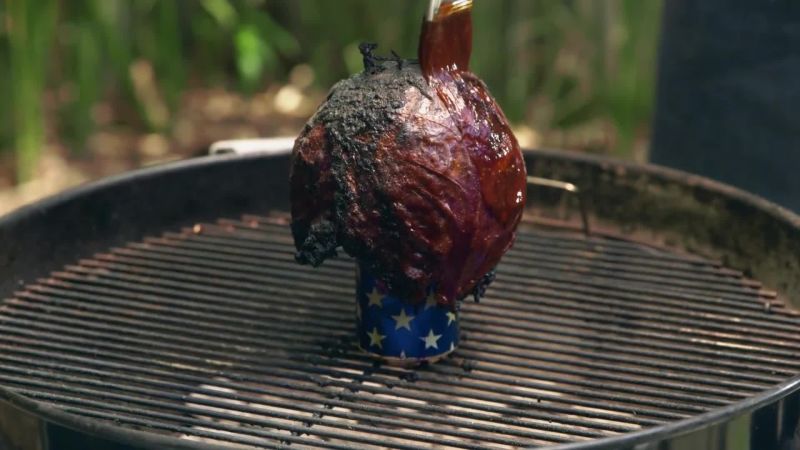
Meet Beer-Can Cabbage, the vegetarian star of your summer grilling season.
icon
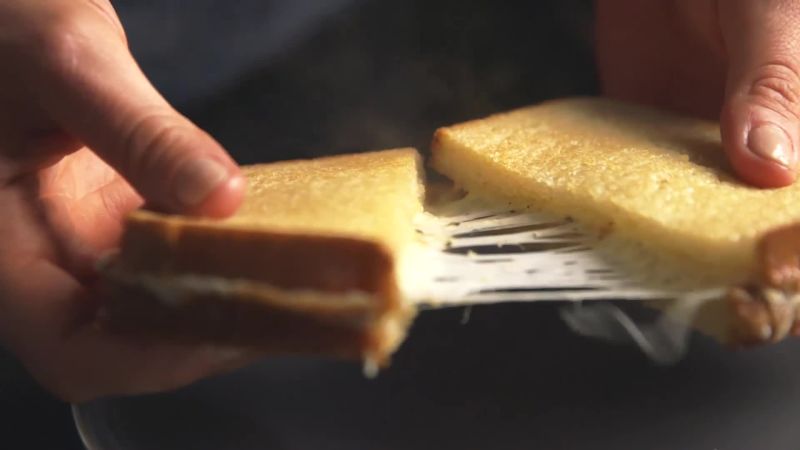
We show you how to make grilled cheese for a crowd.

icon
Bon Appétit asked 8 of NYC’s top chefs to share their best kitchen tips to help you cook smarter at home. From mastering mise en place to sharpening knives with a whetstone, and using tools like a microplane, thermometer, and food processor–these are the essential chef secrets every home cook should know.