Search results for
tips how to assemble a roast
Filter Results
Sort By:
Recipes
(235)

Easy
Recipes
Reverse-searing results in a perfectly cooked roast beef with a mouthwatering crust.
4.7
(4.67)

Recipes
Breaking down a turkey into parts before roasting creates the most golden, deliciously seasoned bird possible.
4.4
(4.37)

Recipes
A lemony Greek-inspired marinade brightens this crowd-pleasing (and mostly hands-off) dinner.

Recipes
Want a show-stopping centerpiece roast to feed a holiday dinner crowd? Crown roast is the answer.

Easy
Recipes
Perfect for first-timers and holiday pros, this Gourmet classic is seasoned simply and comes out beautifully bronzed.

Recipes
A properly seasoned and cooked roast is an elegant and simple dish to prepare, and something very valuable to know how to do confidently for feeding a large gathering of family or friends. With insufficient know-how, roasting meat can be an intimidating prospect, so here are a few basic ground rules to equip you for cooking a superb roast. I know I’m repeating myself here, but the best meat comes from animals that are locally produced, pasture-raised, and organically fed. Factory farms may produce a lot of inexpensive meat, but it is at great cost to the health of the land, the animals, and both the people who eat them and those involved in their production. Not only is the meat from humanely raised animals the tastiest, but your purchase supports those in your community who are tending the land, creating a very rewarding reciprocal relationship. It is really important to seek out markets and butchers who carry this type of meat. Some cuts of meat can be bought with or without the bone. Roasting meat on the bone will produce a better roast; it helps the meat to retain its juices and adds flavor as the roast cooks. Leg of lamb, lamb shoulder roast, rack of lamb, saddle of lamb, bone-in pork loin, pork shoulder roast, and prime rib are some examples of cuts that can be roasted on the bone. For easier carving, the bone may be removed before the meat is taken to the table to be cut. Or slice it in the kitchen and arrange it on a warm platter to pass; that is what I do most often. Seasoning the meat in advance makes a roast more juicy, tender, and tasty. Applying the salt one day ahead of cooking will do, but two or three days ahead is not too far in advance, especially for a large roast. A fresh herb marinade or dry rub is good to put on a few hours ahead or even the night before. It is important to bring the meat to room temperature before you cook it. Meat put to roast when still cold will cook very unevenly. The exterior will be fully cooked before the interior has even had a chance to warm up. Take the meat from the refrigerator at least 1 hour before roasting, or 2 hours for a bone-in roast. A good temperature for roasting is 375°F. Choose a pan just slightly larger than the roast. A rack is not necessary; instead, turn the meat twice while it is cooking. First, after the meat has browned, after 20 to 30 minutes; then, after another 20 minutes, when the underside has browned, turn it again and finish cooking. This allows for even browning and distributes the juices and fat all through the meat as it is cooking. (If the roast is small, brown it in a pan with a little olive oil over high heat before putting it into the oven to roast. It does not need to be turned then, unless it is browning too much on the top.) If you are roasting a rack of lamb, a bone-in pork loin, or a prime rib, lay the meat in the pan, bones down, for a natural rack. These roasts do not need to be turned. How do you know when it is done? I will poke and prod a roast to see if it is done, but I always take the internal temperature to confirm my judgment. An instant-read thermometer can be inserted anywhere in the roast and will immediately reveal the interior temperature. For the most accurate temperature reading, insert the thermometer lengthwise into the thickest part of the roast, parallel to the bone (but not touching it). You want to take the reading at the coldest part of the roast, as that will tell you where it is least done. For lamb I take the meat out at 128°F, for beef at 120 to 125°F, and for pork loin at 135°F. These temperatures are for medium-rare lamb and beef and medium-rare to medium pork. At these temperatures, the meat is still tender, juicy, and full of flavor. If you prefer your meat cooked more, for each increasing level of doneness, take the temperature up ten degrees—138°F for a medium leg of lamb, for example. It is very important to let roasted meat rest before cutting and serving. This allows ...

icon
Recipes
Also known as 30 ways to get oohs and ahhs at the table.

icon
techniques

Recipes
Chef Chris Rogienski shares the best pot roast recipe, featuring tender oven-braised beef chuck in tomatoey gravy, topped with tangles of bright pickled onions.
4.0
(4)

icon
techniques

Recipes
Comforting slow-braised pot roast makes a flavor 180 by enlisting all the bright, spiced flavors of the classic ginger-rum cocktail.
4.6
(4.55)

Recipes
A flavorful bourbon-brown sugar glaze makes for a glossy turkey while separate cooking techniques for breast and legs ensures a tasty end result.
4.4
(4.37)
Articles
(168)

Cooking
Watch two professional butchers as they share their best tips on turkey carving, from post-oven rest to festive presentation.
Julie Harans

Culture
Pot roast (or pot au feu if you're being fancy) is one of the most satisfying winter dishes. Here's how to nail it, every time
Adam Rapoport

Cooking
You spent some cash on a roast. Better make it perfectly crispy, pink, and pristine.
Alex Delany

Culture
Making a show-stopping holiday roast is easier than it looks. This video shows you how.
Rochelle Bilow

techniques
Don't be intimidated by big cuts of meat, like pork shoulder or crown roasts. Just avoid these common mistakes and learn to cook them to perfection.
Rochelle Bilow

techniques
For nose-to-tail pioneer Fergus Henderson (who just opened the buzzy St. John Hotel in London), roast beef isn't just a meal, it's an institution...
Guest
Videos
(172)
icon
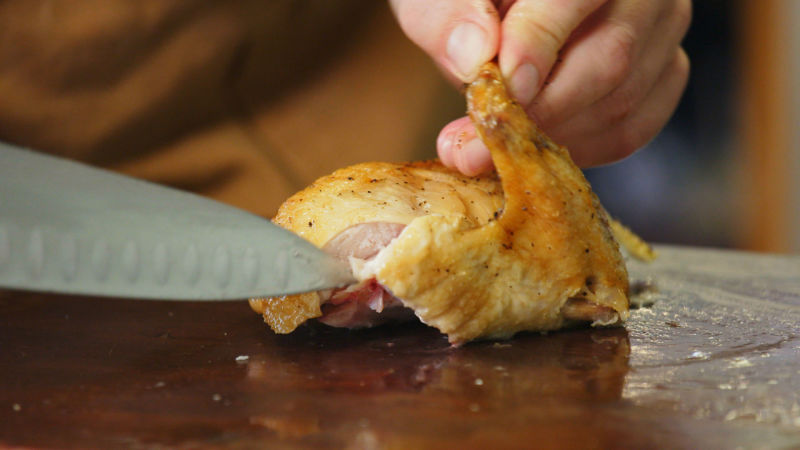
Intimidated by carving the big bird? Get ready to exercise your hands and knife skills, because Chris Morocco is going to show us the best tips to make this dinner fly!
icon
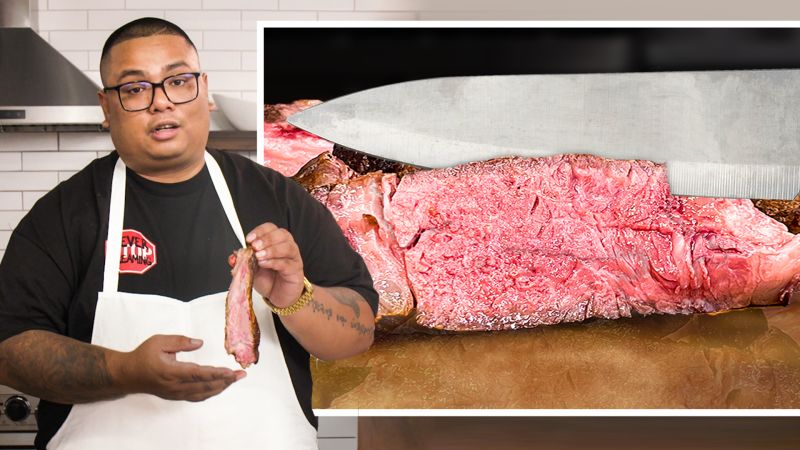
Join Chef Harold Villarosa as he demonstrates the proper technique for slicing different cuts of beef, poultry, and pork. Unkle Harold lays out the hows and whys behind serving up different kinds and cuts of meat, relaying all the know-how you need to present your proteins like a pro.
icon
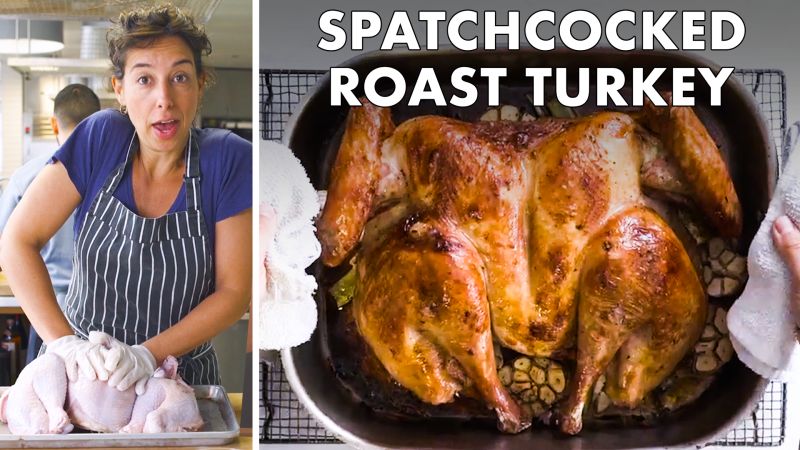
Get ready for a Thanksgiving game changer. Spatchcocking, or removing the backbone, is the secret to making the best turkey you've ever had–in half the time. Most butchers will do this for you. Cooking for a crowd? Roast two 12-14 pounders, anything larger will take longer. Get the recipe: http://light-body.today/recipe/spatchcocked-turkey-with-anise-and-orange%3Cbr%3E%3Cbr%3EGet the Recipe: Spatchcock Turkey With Anise and Orange
icon
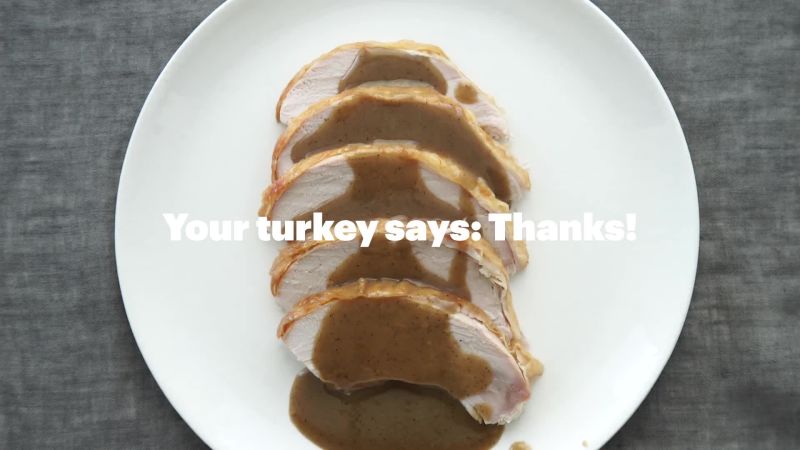
You want your gravy thick and delicious. Here's how to get it done.

icon
We show you how to make a Roast Sirloin of Beef.
icon
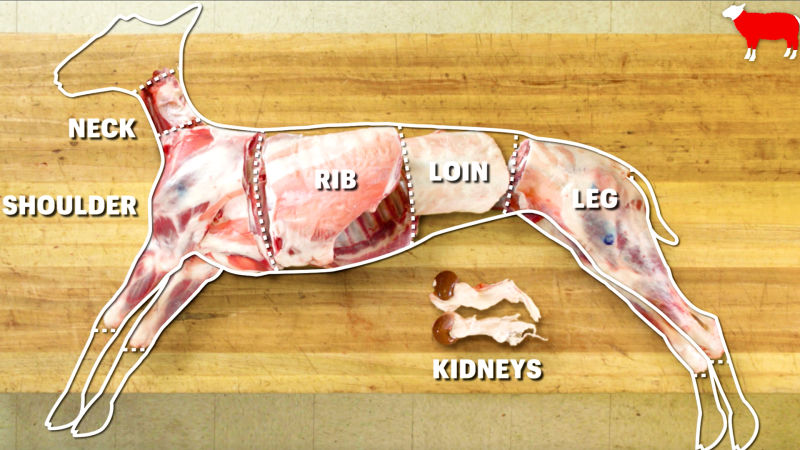
Butcher Justin Williams shows Bon Appetit how to butcher an entire lamb and explains every cut of meat. There are six sections of the lamb that yield edible cuts: the neck, the shoulder, the rib, the loin, the kidneys, and the leg. From those sections, the butcher can offer boneless shoulder roast, spare ribs, rack of lamb, lamb noisette, lamb breast, leg of lamb, stir fry, stew, lamb chops and merguez sausage.
Read more: 31 Lamb Recipes That Aren’t Just for Special Occasions
Read more: 31 Lamb Recipes That Aren’t Just for Special Occasions