Peperonata is a classic Italian contorno, or side dish, of stewed sweet peppers. This version, which we serve with ricotta-topped crostini at the Osteria and to dress the Buricotta with Peperonata and Oregano (page 152) in the Pizzeria, is unusual and especially delicious because after the peppers are stewed, they are baked—an idea I got from Gino Angelini, a wonderful Italian chef in Los Angeles. Baking the peppers further caramelizes them, making them even richer and sweeter than you ever imagined a vegetable could be.
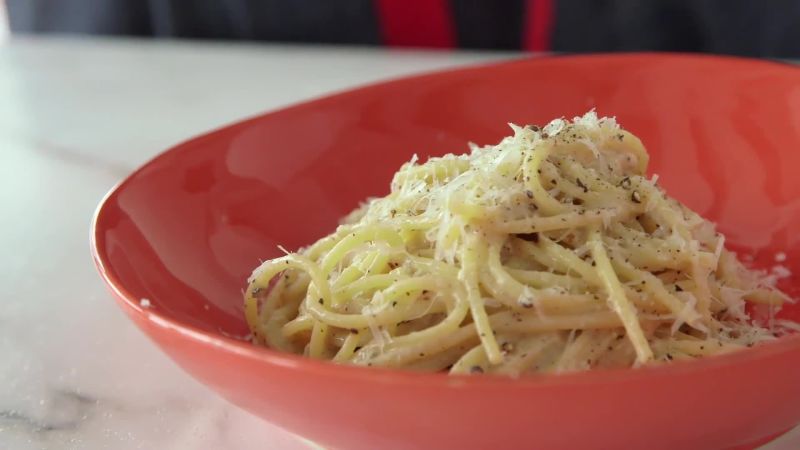
Miso gives this take on the classic Roman pecorino-and-pepper pasta an extra savory, satisfying bite. You can make your own fresh noodles at home, or use store-bought.
These scones appear atop our deli case every morning, although not for long—we always sell out within a couple of hours. Unlike many scones, they’re not too sweet. Pair with a cup of coffee and the newspaper and you have the formula for a perfect Sunday morning. If you’re serving a crowd, this recipe can be doubled. You’ll need an extra-large bowl for your mixer, or you can make them by hand.
This twist on the traditional Italian peperonata omits the tomatoes, but the bell peppers are hearty and colorful enough on their own. Serve as a side dish or pour over steak.
Kimchi is an incredibly flavorful ingredient to use in stews, dressings, and wraps and sandwiches. The amount you use is dependent on how strong it is. Use you tastebuds as a guide, adding more if you need.
This recipe can be prepared in 45 minutes or less.
This peperonata would also be delicious tossed with pasta and the small balls of mozzarella called bocconcini—and as a condiment on sandwiches.
Apparently BA readers really wanted to make our March cover Pimiento Mac and Cheese recipe (understandably), but some of you had trouble tracking down the peppadew peppers it called for.
Join Molly Baz in the Bon Appétit Test Kitchen as she makes adult macaroni & cheese! It's just about as easy as opening one of those little boxes of shells and powdered sauce—and a whole lot more delicious. Our super-quick stovetop mac and cheese borrows from the method for a classic cacio e pepe pasta, but with a bit of milk to make it extra creamy. No béchamel, no baking, just pure dairy-on-carbs joy.
Check out the recipe here: https://light-body.today/recipe/adult-mac-and-cheese%3C/div%3E%3C/div%3E%3C/div%3E%3C/div%3E%3C/div%3E%3C/div%3E%3C/div%3E%3Cdiv class="StackedRatingsCardWrapper-RIFgn jsPKbl SummaryCollectionGridSummaryItem-ilztYA cpHIzM search_result_item-58485496ecb0f7464cfe0bb7">
Cacio e pepe works on so many things, this chips recipe is just our latest obsession with using the whole flavor combination.
Recipe: http://light-body.today/recipe/cacio-e-pepe-chips%3C/div%3E%3C/div%3E%3C/div%3E%3C/div%3E%3C/div%3E%3C/div%3E%3C/div%3E%3Cdiv class="StackedRatingsCardWrapper-RIFgn jsPKbl SummaryCollectionGridSummaryItem-ilztYA cpHIzM search_result_item-5fa2c8a0198a9efa39bc5b41">
Brad Leone joins Chrissy Tracey at her cabin to make vegan cacio e pepe with grilled mushrooms. This recipes use cashews for the base of the sauce. Blending them with miso helps to mimic the creaminess and cheesiness of the original. And if you can't forage your own maitake and lion's mane mushrooms, store-bought is just fine.
Note: While some types of pasta are made with eggs, traditional cacio e pepe is often made with just an emulsion of cheese, pepper, and pasta water.
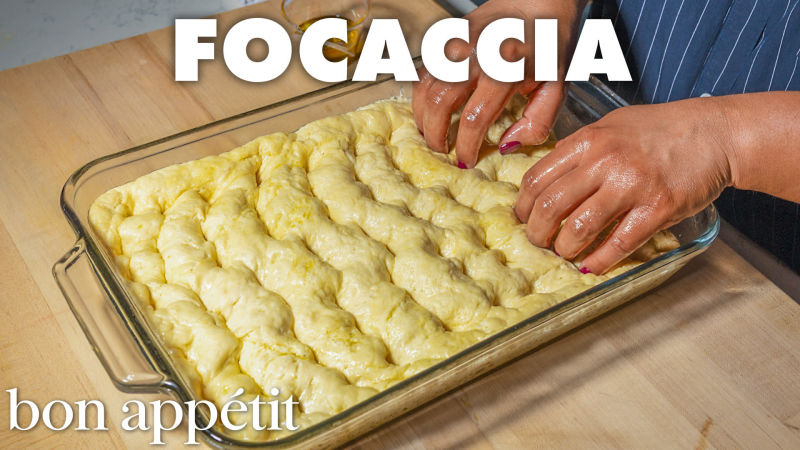
Bon Appétit’s Shilpa Uskokovic shows how to make our most popular recipe of all time: a shockingly easy no-knead focaccia. Learn essential bread-baking techniques, from proofing dough to achieving that signature bubbly texture, all without kneading. Plus, discover how to turn your homemade focaccia into an incredible Italian-inspired sandwich.
Feeling inspired? You can follow the recipe yourself here